
Check fluids with the engine off, the car on level ground and the engine cool. Oil goes by the dipstick, coolant, brake and washer fluid go by the MIN and MAX lines, and you only add the exact type your owner's manual calls for.
Fluids are the blood of the car. Oil keeps the engine from grinding itself apart. Coolant keeps it from cooking. Brake fluid is what actually stops you. Checking them takes fifteen minutes and tells you a lot about how the car is doing.
The trick is knowing what you are looking at. Pop the hood with me and we will go one at a time.
What You Need
- A clean rag or paper towels
- A flashlight
- A funnel
- Gloves, if you have them
- Your owner's manual
Safety First
- Never open the radiator cap or coolant cap on a hot engine. The system is under pressure and can spray scalding coolant. Wait until the engine is cool to the touch.
- Keep hands, hair and rags away from the fan and belts. Some electric fans can turn on even with the engine off.
- Brake fluid can damage paint. Wipe up any drips right away.
- Coolant is poisonous and tastes sweet to pets and kids. Clean up spills and keep the jug capped.
The Four Fluid Checks at a Glance
Same order every time. Cool engine, level ground, one cap at a time.
Red means fix it. Low oil needs a top off. Too much oil needs some drained, so add slowly.
Step by Step
Park Level and Let It Cool
Park on flat ground and turn the engine off. For an oil check, most manuals say to wait a few minutes so the oil drains back down. For coolant, wait until the engine is cool. Pop the hood and prop it securely.
Find Everything Before You Touch Anything
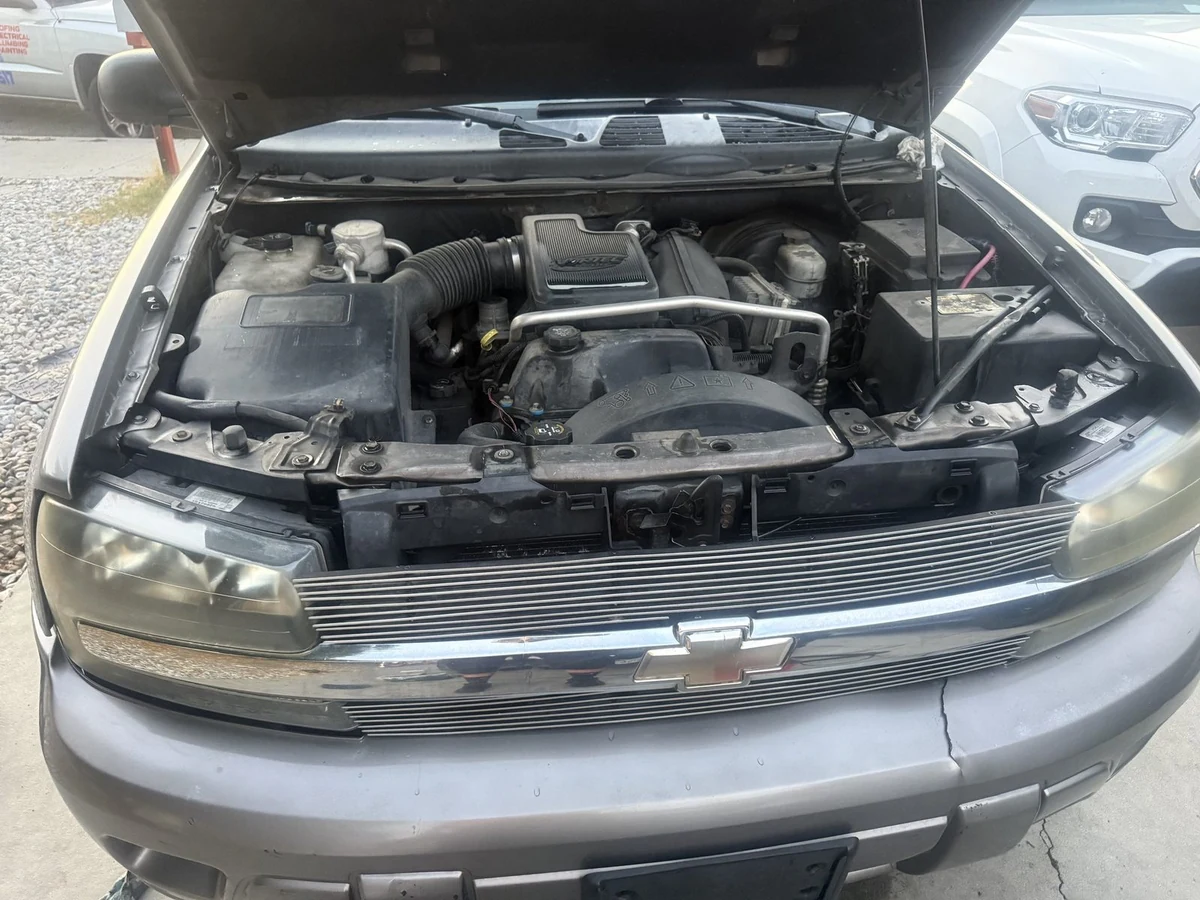
Most caps are marked with a symbol or a word. Look for the oil cap and dipstick A long metal stick with a bright handle, often yellow or orange, that slides into the engine to show the oil level., the coolant reservoir A see through plastic tank with MIN and MAX lines on the side. Coolant, brake fluid and washer fluid each have their own., the brake fluid reservoir, often near the back of the engine bay on the driver side, and the washer fluid tank with a windshield symbol. Your manual has a picture of your engine bay.
Check the Engine Oil
Pull the dipstick out and wipe it clean. Push it all the way back in, then pull it out again and look. The oil should be between the two marks. Some cars have no dipstick and show oil level on the dash instead. Your manual will say.
Look at the Oil Too
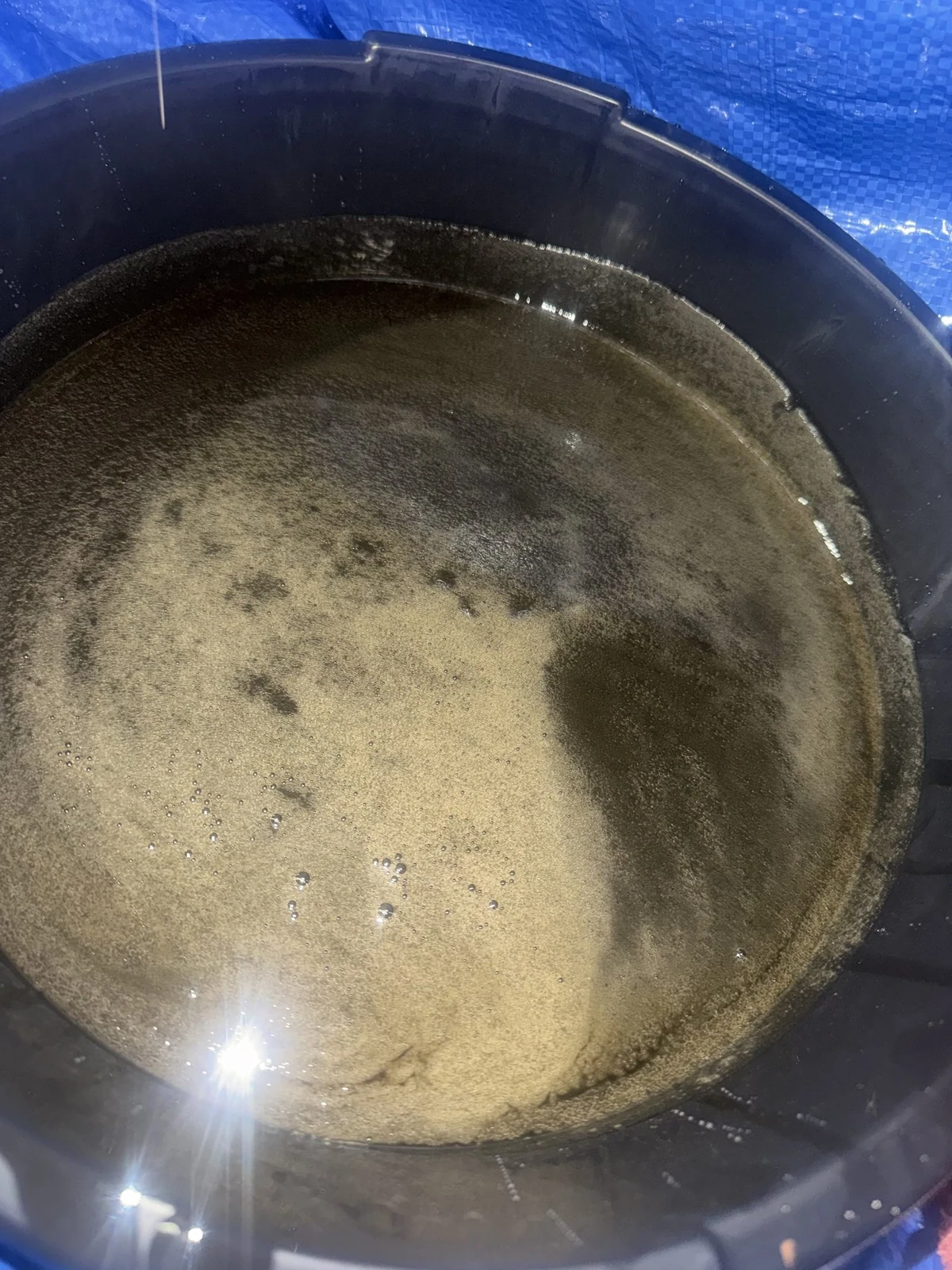
Fresh oil looks amber. Dark brown or black is normal for oil that is due for a change. Oil that looks milky, foamy or like chocolate milk is a warning sign. It can mean coolant is getting into the oil. Do not just top that off.
Add Oil a Little at a Time
If it is low, add the oil grade printed on the oil cap or in your manual, like 0W-20 or 5W-30. Pour in a small amount, wait a minute, and check the dipstick again. Too much oil is also bad for the engine, so creep up on the full mark.
Check the Coolant Reservoir
With the engine cool, look at the side of the coolant reservoir. The level should sit between MIN and MAX. If it is low, add the coolant type your manual calls for. Many people buy it premixed with water so there is no guessing.
Check the Brake Fluid
Look at the brake fluid reservoir. The level should be between MIN and MAX. Brake fluid drops slowly as brake pads wear. If it is near MIN, that is a sign to get the brakes checked. If you add any, use the DOT type printed on the cap, wipe the cap first so no dirt falls in, and close it tight.
Fill the Washer Fluid
Open the washer tank and fill it close to the top. Use real washer fluid, not just water. Plain water can freeze and crack the tank in cold weather, and it does not clean bugs off well.
Close Every Cap and Look Under the Car
Make sure every cap is tight and the dipstick is fully seated. Wipe up drips. Close the hood and push down until it latches. The next morning, look at the ground under the car. A fresh spot tells you something is leaking.
When to Stop and Call a Pro
- The oil looks milky or foamy, or the coolant has oil floating in it.
- You keep adding the same fluid every week. Something is leaking or burning it.
- The brake fluid is low, or the brake pedal feels soft or sinks.
- The temperature gauge climbs into the red, or you smell sweet steam. Pull over and shut it off.
- You see puddles under the car. Green, orange or pink is often coolant. Brown or black is often oil. Red can be transmission or power steering fluid.
No shame in it. Knowing when to stop is part of the skill. Find a mechanic near you on MechanicRank.
Questions People Ask
Can I check my oil right after driving?
You can, but the reading will be low because some oil is still up in the engine. Most manuals say to wait a few minutes after shutting off. Check yours.
How do I check transmission fluid?
It depends on the car. Many newer cars have no transmission dipstick and need a shop to check it. Cars that do have one often need the engine running and warm. Your owner's manual is the only safe guide here.
Can I mix different coolants?
It is best not to. Different coolant types can react with each other. Use the type your manual names. If you are not sure what is in there, have a shop flush and refill it.
What if I add the wrong oil grade once?
A small top off of the wrong grade is not likely to hurt anything in the short run. Switch back to the right grade at your next oil change.
How often should I check my fluids?
Once a month is a good habit, plus before road trips. Check oil more often on an older car or one you know uses oil.